 I remember the first time I used an **RFID**-enabled gift card at a major retail store. The checkout process was incredibly smooth—no swiping, no inserting, just a simple tap. The cashier shared how this technology reduced transaction errors and sped up lines during peak hours. This personal interaction highlighted the practical benefits of **RFID** beyond just technical specs. It made me realize that selling gift cards equipped with such technology could be a game-changer for businesses looking to streamline operations and enhance customer satisfaction.
### The Skill of Implementing NFC in Gift Card Systems
I remember the first time I used an **RFID**-enabled gift card at a major retail store. The checkout process was incredibly smooth—no swiping, no inserting, just a simple tap. The cashier shared how this technology reduced transaction errors and sped up lines during peak hours. This personal interaction highlighted the practical benefits of **RFID** beyond just technical specs. It made me realize that selling gift cards equipped with such technology could be a game-changer for businesses looking to streamline operations and enhance customer satisfaction.
### The Skill of Implementing NFC in Gift Card Systems
 My background in tech development allowed me to work on a project integrating **NFC** into gift card systems for a mid-sized restaurant chain. We designed cards that customers could tap to not only pay but also access exclusive offers and loyalty points. This skill in merging **NFC** with existing POS systems demonstrated how versatile these technologies are. For instance, we used **NFC** chips with a code like NTAG213, which supports 144 bytes of memory—enough to store transaction data and promotional content. This case showed that selling gift cards with **NFC** isn't just about payment; it's about creating an interactive experience that drives repeat business.
 ### Opinion on the Future of Gift Cards
In my view, the future of selling gift cards lies in leveraging **RFID** and **NFC** to create smart, connected solutions. Traditional gift cards often end up forgotten in wallets, but with embedded **RFID** or **NFC**, they can be linked to mobile apps for balance checks and reminders. I believe this reduces waste and increases redemption rates. Moreover, as contactless payments become the norm, gift cards with these technologies will feel more intuitive to use. Sellers should focus on this trend to stay competitive.
### Entertainment Applications of RFID and NFC Gift Cards
### Opinion on the Future of Gift Cards
In my view, the future of selling gift cards lies in leveraging **RFID** and **NFC** to create smart, connected solutions. Traditional gift cards often end up forgotten in wallets, but with embedded **RFID** or **NFC**, they can be linked to mobile apps for balance checks and reminders. I believe this reduces waste and increases redemption rates. Moreover, as contactless payments become the norm, gift cards with these technologies will feel more intuitive to use. Sellers should focus on this trend to stay competitive.
### Entertainment Applications of RFID and NFC Gift Cards
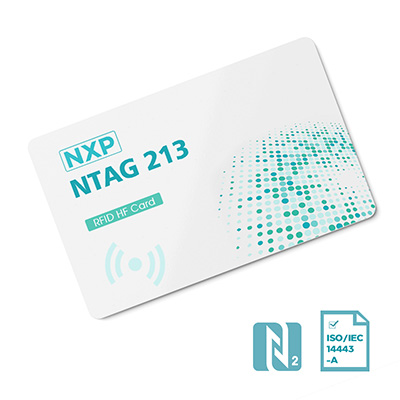
 Imagine attending a concert where your gift card doubles as an acce
125KHz vs 13.56MHz
Understanding the key differences between low frequency (125KHz) and high frequency (13.56MHz) RFID technologies and their specific applications.
Security Protocols
Learn about the advanced encryption and authentication methods that make RFID cards as secure as EMV chip technology for payment systems.
EU Compliance Standards
Discover how RFID solutions comply with European regulations including GDPR, ISO/IEC standards, and payment card industry requirements.
RFID Evolution Timeline
First Commercial Applications
Initial use of RFID technology for animal tracking and limited access control systems.
Mass Adoption Begins
RFID technology expands to electronic toll collection, inventory management, and basic security systems.
Contactless Revolution
Introduction of contactless payment cards, passport RFID chips, and widespread adoption in logistics.
Integration with Mobile & IoT
RFID technology integrates with smartphones, IoT devices, and advanced security systems with enhanced encryption.