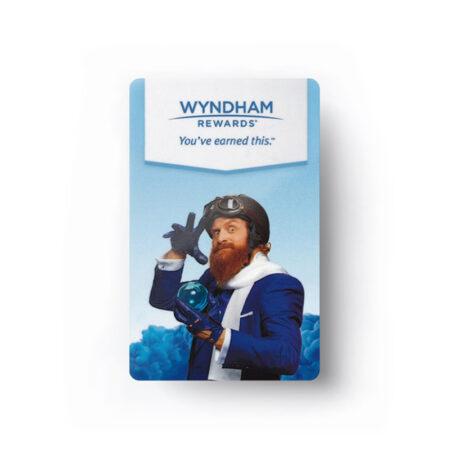
 ## Introduction to Customised RFID Cards
RFID cards customised to specific requirements have become increasingly popular across various industries. As someone who has worked with RFID technology for over a decade, I've witnessed firsthand how personalised RFID solutions transform operations. I recall implementing a customised RFID system for a corporate client that reduced their access control processing time by 70% - the transformation was remarkable to observe and be part of.
## Personal Experience with RFID Customisation
During my career, I've developed a particular skill for identifying optimal RFID customisation approaches for different scenarios. One memorable project involved creating specialised RFID cards for a research facility that required multiple security layers. The process of balancing technical specifications with practical usability taught me valuable lessons about user-centered design in technology implementation.
## Technical Specifications of Customised RFID Cards
### Standard RFID Card Parameters
When considering RFID cards customised for your needs, understanding technical specifications is crucial:
**Physical Dimensions:**
- Standard credit card size: 85.6mm × 54mm × 0.76mm
- Custom thickness options: 0.3mm to 1.2mm
## Introduction to Customised RFID Cards
RFID cards customised to specific requirements have become increasingly popular across various industries. As someone who has worked with RFID technology for over a decade, I've witnessed firsthand how personalised RFID solutions transform operations. I recall implementing a customised RFID system for a corporate client that reduced their access control processing time by 70% - the transformation was remarkable to observe and be part of.
## Personal Experience with RFID Customisation
During my career, I've developed a particular skill for identifying optimal RFID customisation approaches for different scenarios. One memorable project involved creating specialised RFID cards for a research facility that required multiple security layers. The process of balancing technical specifications with practical usability taught me valuable lessons about user-centered design in technology implementation.
## Technical Specifications of Customised RFID Cards
### Standard RFID Card Parameters
When considering RFID cards customised for your needs, understanding technical specifications is crucial:
**Physical Dimensions:**
- Standard credit card size: 85.6mm × 54mm × 0.76mm
- Custom thickness options: 0.3mm to 1.2mm
 - Special shapes and sizes available upon request
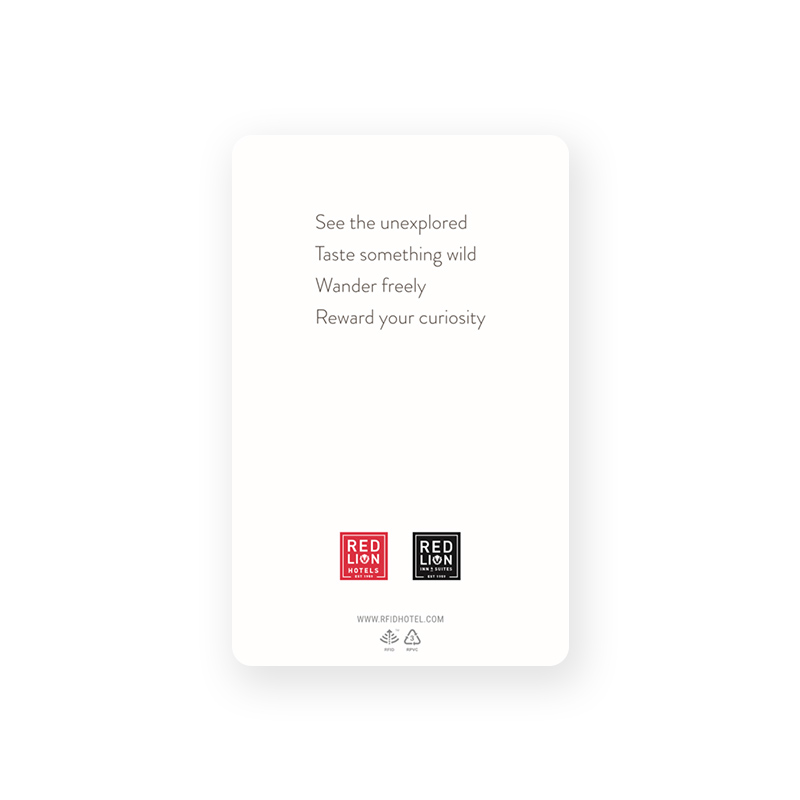 **Chip Specifications:**
- Common chips: NXP Mifare Classic 1K (MF1S503x), NXP Mifare DESFire EV2 (MF3D(H)x2)
- Frequency options: 125kHz (LF), 13.56MHz (HF), 860-960MHz (UHF)
- Memory capacity: 1KB to 8KB standard, with higher capacities available
- Read range: 10cm to 15m depending on frequency and antenna design
**Communication Protocols:**
- ISO/IEC 14443 Type A and Type B
- ISO/IEC 15693
- NFC Forum compliant options
*Note: These technical parameters are reference data only. Specific requirements should be discussed with our后台管理 team for accurate customisation.*
## Entertainment Applications of Customised RFID Cards
The entertainment industry has creatively implemented RFID cards customised for enhanced experiences. Theme parks worldwide now use personalised RFID wristbands and cards for cashless payments, ride access, and interactive experiences. I recently visited a park where my customised RFID card triggered personalised greetings from characters and unlocked exclusive content - the seamless integration of technology and entertainment was impressive.
**Chip Specifications:**
- Common chips: NXP Mifare Classic 1K (MF1S503x), NXP Mifare DESFire EV2 (MF3D(H)x2)
- Frequency options: 125kHz (LF), 13.56MHz (HF), 860-960MHz (UHF)
- Memory capacity: 1KB to 8KB standard, with higher capacities available
- Read range: 10cm to 15m depending on frequency and antenna design
**Communication Protocols:**
- ISO/IEC 14443 Type A and Type B
- ISO/IEC 15693
- NFC Forum compliant options
*Note: These technical parameters are reference data only. Specific requirements should be discussed with our后台管理 team for accurate customisation.*
## Entertainment Applications of Customised RFID Cards
The entertainment industry has creatively implemented RFID cards customised for enhanced experiences. Theme parks worldwide now use personalised RFID wristbands and cards for cashless payments, ride access, and interactive experiences. I recently visited a park where my customised RFID card triggered personalised greetings from characters and unlocked exclusive content - the seamless integration of technology and entertainment was impressive.

 ## TI
## TI
125KHz vs 13.56MHz
Understanding the key differences between low frequency (125KHz) and high frequency (13.56MHz) RFID technologies and their specific applications.
Security Protocols
Learn about the advanced encryption and authentication methods that make RFID cards as secure as EMV chip technology for payment systems.
EU Compliance Standards
Discover how RFID solutions comply with European regulations including GDPR, ISO/IEC standards, and payment card industry requirements.
RFID Evolution Timeline
First Commercial Applications
Initial use of RFID technology for animal tracking and limited access control systems.
Mass Adoption Begins
RFID technology expands to electronic toll collection, inventory management, and basic security systems.
Contactless Revolution
Introduction of contactless payment cards, passport RFID chips, and widespread adoption in logistics.
Integration with Mobile & IoT
RFID technology integrates with smartphones, IoT devices, and advanced security systems with enhanced encryption.