rfid card uses - Fast & Reliable Top1-5
# RFID Card Uses: Enhancing Efficiency and Security Across Industries
 ## Introduction to RFID Technology
 Radio Frequency Identification (RFID) cards have revolutionized how we track, manage, and secure assets, people, and information. From my personal experience working with access control systems, I've witnessed firsthand how RFID card uses have transformed security protocols in corporate environments. The seamless interaction between card and reader—often just a quick tap—creates an efficient user experience that traditional keys or codes simply cannot match. This technology's ability to operate without direct line-of-sight and handle multiple reads simultaneously demonstrates a remarkable skill in data management that continues to impress me professionally.
 ## Primary Applications of RFID Cards
 ### Access Control and Security Systems
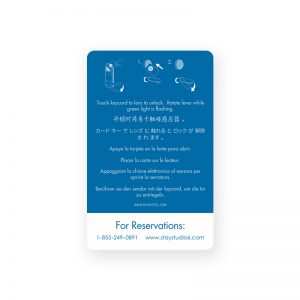
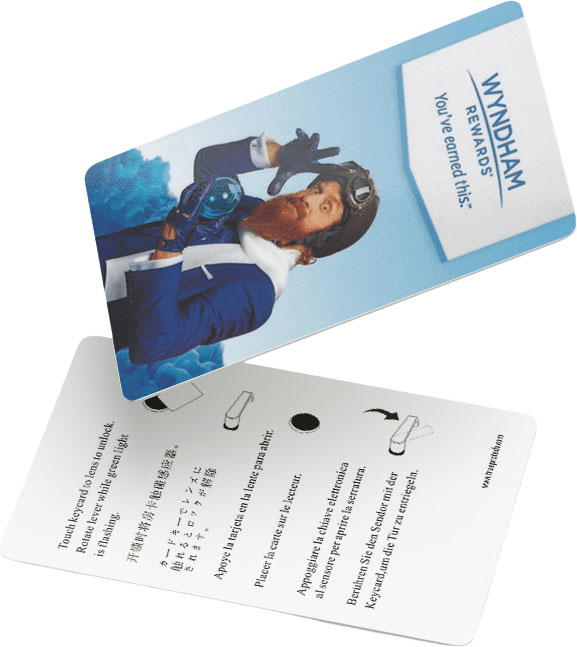
One of the most widespread RFID card uses involves physical security. Modern office buildings, hotels, and residential complexes rely on RFID-enabled key cards to regulate entry. I recall implementing a system where employees used RFID cards not just for building access, but also to log workstation usage, creating an integrated security and resource management solution. The convenience factor is substantial—no more fumbling with traditional keys or remembering complex codes.
### Inventory and Asset Management
In retail and warehouse settings, RFID card uses extend to inventory tracking. Unlike barcodes that require individual scanning, RFID readers can process dozens of items simultaneously. During a warehouse consultation project, I observed how RFID-tagged pallets reduced inventory counting time by approximately 70%. This application showcases RFID's skill in handling large-scale data collection efficiently.
### Payment and Transit Systems
Contactless payment systems and public transportation cards represent another significant area of RFID card uses. The London Oyster card and similar transit systems worldwide demonstrate how RFID technology streamlines commuter experiences. From my perspective as a frequent traveler, the
### Access Control and Security Systems
One of the most widespread RFID card uses involves physical security. Modern office buildings, hotels, and residential complexes rely on RFID-enabled key cards to regulate entry. I recall implementing a system where employees used RFID cards not just for building access, but also to log workstation usage, creating an integrated security and resource management solution. The convenience factor is substantial—no more fumbling with traditional keys or remembering complex codes.
### Inventory and Asset Management
In retail and warehouse settings, RFID card uses extend to inventory tracking. Unlike barcodes that require individual scanning, RFID readers can process dozens of items simultaneously. During a warehouse consultation project, I observed how RFID-tagged pallets reduced inventory counting time by approximately 70%. This application showcases RFID's skill in handling large-scale data collection efficiently.
### Payment and Transit Systems
Contactless payment systems and public transportation cards represent another significant area of RFID card uses. The London Oyster card and similar transit systems worldwide demonstrate how RFID technology streamlines commuter experiences. From my perspective as a frequent traveler, the
## Introduction to RFID Technology
Radio Frequency Identification (RFID) cards have revolutionized how we track, manage, and secure assets, people, and information. From my personal experience working with access control systems, I've witnessed firsthand how RFID card uses have transformed security protocols in corporate environments. The seamless interaction between card and reader—often just a quick tap—creates an efficient user experience that traditional keys or codes simply cannot match. This technology's ability to operate without direct line-of-sight and handle multiple reads simultaneously demonstrates a remarkable skill in data management that continues to impress me professionally.
## Primary Applications of RFID Cards
### Access Control and Security Systems
One of the most widespread RFID card uses involves physical security. Modern office buildings, hotels, and residential complexes rely on RFID-enabled key cards to regulate entry. I recall implementing a system where employees used RFID cards not just for building access, but also to log workstation usage, creating an integrated security and resource management solution. The convenience factor is substantial—no more fumbling with traditional keys or remembering complex codes.
### Inventory and Asset Management
In retail and warehouse settings, RFID card uses extend to inventory tracking. Unlike barcodes that require individual scanning, RFID readers can process dozens of items simultaneously. During a warehouse consultation project, I observed how RFID-tagged pallets reduced inventory counting time by approximately 70%. This application showcases RFID's skill in handling large-scale data collection efficiently.
### Payment and Transit Systems
Contactless payment systems and public transportation cards represent another significant area of RFID card uses. The London Oyster card and similar transit systems worldwide demonstrate how RFID technology streamlines commuter experiences. From my perspective as a frequent traveler, the