 ## Technical Specifications of Modern RFID ATM Cards
The technical implementation of RFID ATM cards involves sophisticated engineering to balance security, functionality, and reliability. Below are detailed specifications for current-generation RFID banking cards:
**Physical Dimensions:**
## Technical Specifications of Modern RFID ATM Cards
The technical implementation of RFID ATM cards involves sophisticated engineering to balance security, functionality, and reliability. Below are detailed specifications for current-generation RFID banking cards:
**Physical Dimensions:**

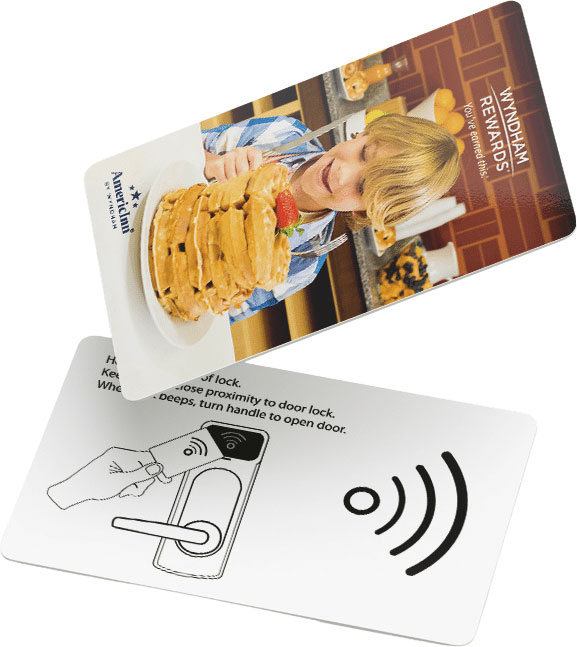 - Standard ID-1 format: 85.60 × 53.98 mm (3.370 × 2.125 inches)
- Thickness: 0.76 mm (0.030 inches)
- RFID antenna: Embedded copper or aluminum coil, typically 3-5 turns
- Standard ID-1 format: 85.60 × 53.98 mm (3.370 × 2.125 inches)
- Thickness: 0.76 mm (0.030 inches)
- RFID antenna: Embedded copper or aluminum coil, typically 3-5 turns
 **Chip Specifications:**
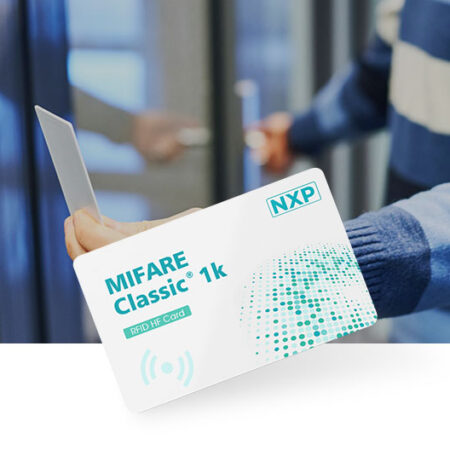
- Microcontroller: NXP SmartMX2 P71 or similar security-focused chip
- Memor
**Chip Specifications:**
- Microcontroller: NXP SmartMX2 P71 or similar security-focused chip
- Memor
125KHz vs 13.56MHz
Understanding the key differences between low frequency (125KHz) and high frequency (13.56MHz) RFID technologies and their specific applications.
Security Protocols
Learn about the advanced encryption and authentication methods that make RFID cards as secure as EMV chip technology for payment systems.
EU Compliance Standards
Discover how RFID solutions comply with European regulations including GDPR, ISO/IEC standards, and payment card industry requirements.
RFID Evolution Timeline
First Commercial Applications
Initial use of RFID technology for animal tracking and limited access control systems.
Mass Adoption Begins
RFID technology expands to electronic toll collection, inventory management, and basic security systems.
Contactless Revolution
Introduction of contactless payment cards, passport RFID chips, and widespread adoption in logistics.
Integration with Mobile & IoT
RFID technology integrates with smartphones, IoT devices, and advanced security systems with enhanced encryption.