 ## Introduction to NXP Cards
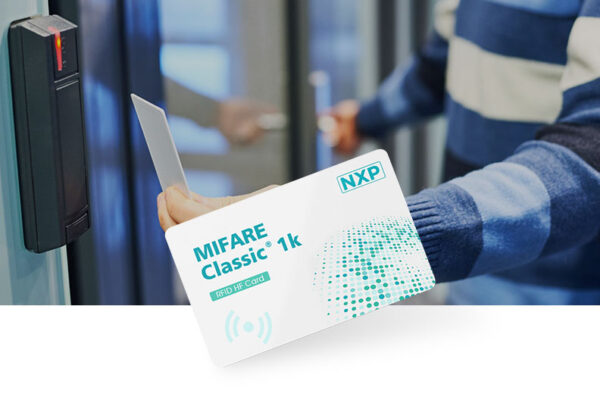 NXP Cards represent a cornerstone of modern secure identification and connectivity solutions. As a global leader in semiconductor technology, NXP Semiconductors has pioneered advancements in RFID (Radio-Frequency Identification) and NFC (Near Field Communication) technologies, embedding them into a vast array of card formats. From contactless payment and access control to public transportation and secure authentication, NXP cards are integral to our daily digital interactions. My personal journey with this technology began a decade ago when I first used a contactless transit card powered by an NXP chip; the seamless tap-and-go experience felt nothing short of magical, eliminating the friction of fumbling for change or paper tickets. This initial encounter sparked a deep fascination with how such a small chip could enable so much functionality, leading me to explore its underlying mechanics and applications. Over the years, I've observed how these cards have evolved from simple tools to sophisticated platforms for security and convenience, often interacting with users in ways that feel intuitive and effortless. Whether it's the quick beep at a turnstile or the secure approval of a mobile payment, the human experience with NXP cards is defined by reliability and speed, fostering trust in digital transactions. In this article, we delve into the world of NXP cards, examining their technology, applications, and the innovative ways they are shaping our connected world.

 ## The Core Technology Behind NXP Cards
 At the heart of NXP cards lies a sophisticated integration of RFID and NFC technologies. These are not just buzzwords but robust systems that enable wireless communication over short distances. RFID typically operates at various frequencies (like LF, HF, and UHF) for broader identification purposes, while NFC, a subset of RFID based on HF (13.56 MHz), is designed for secure two-way interactions between devices in close proximity. NXP has mastered these domains, producing chips that balance performance, security, and power efficiency. My own skill in dissecting electronic components once led me to examine a decommissioned NXP-based access card; under the microscope, the intricate layout of the silicon die was a testament to the engineering prowess involved. It
125KHz vs 13.56MHz
Understanding the key differences between low frequency (125KHz) and high frequency (13.56MHz) RFID technologies and their specific applications.
Security Protocols
Learn about the advanced encryption and authentication methods that make RFID cards as secure as EMV chip technology for payment systems.
EU Compliance Standards
Discover how RFID solutions comply with European regulations including GDPR, ISO/IEC standards, and payment card industry requirements.
RFID Evolution Timeline
First Commercial Applications
Initial use of RFID technology for animal tracking and limited access control systems.
Mass Adoption Begins
RFID technology expands to electronic toll collection, inventory management, and basic security systems.
Contactless Revolution
Introduction of contactless payment cards, passport RFID chips, and widespread adoption in logistics.
Integration with Mobile & IoT
RFID technology integrates with smartphones, IoT devices, and advanced security systems with enhanced encryption.