electronic access control cards - Fast & Reliable Top1-5
# Electronic Access Control Cards: The Future of Secure Entry
 ## Introduction to Electronic Access Control Cards
Electronic access control cards have revolutionized how we manage security and entry to buildings, rooms, and sensitive areas. These cards, which primarily utilize RFID (Radio-Frequency Identification) or NFC (Near Field Communication) technology, provide a seamless, secure, and efficient method for controlling access. In my experience working with security systems, I've seen firsthand how these cards transform mundane entry processes into sophisticated security protocols. The shift from traditional keys to electronic cards isn't just about convenience; it's about enhancing safety and operational control. I recall a project where a client switched from metal keys to RFID cards, and the immediate reduction in unauthorized entry attempts was remarkable. This personal observation underscores the practical value of these systems.
## How RFID and NFC Power Access Control
## Introduction to Electronic Access Control Cards
Electronic access control cards have revolutionized how we manage security and entry to buildings, rooms, and sensitive areas. These cards, which primarily utilize RFID (Radio-Frequency Identification) or NFC (Near Field Communication) technology, provide a seamless, secure, and efficient method for controlling access. In my experience working with security systems, I've seen firsthand how these cards transform mundane entry processes into sophisticated security protocols. The shift from traditional keys to electronic cards isn't just about convenience; it's about enhancing safety and operational control. I recall a project where a client switched from metal keys to RFID cards, and the immediate reduction in unauthorized entry attempts was remarkable. This personal observation underscores the practical value of these systems.
## How RFID and NFC Power Access Control
 ### Understanding the Technology
 At the heart of most electronic access control cards are RFID or NFC chips. These are small, embedded circuits that communicate with readers via radio waves. RFID typically operates at various frequencies (like 125 kHz or 13.56 MHz), while NFC is a subset of RFID that works at 13.56 MHz and allows for two-way communication. My skill in troubleshooting these systems has taught me that the choice between RFID and NFC often depends on the required read range and functionality. For instance, NFC cards are excellent for applications where interaction with smartphones is needed, such as mobile access credentials.
### Personal Interaction and User Experience
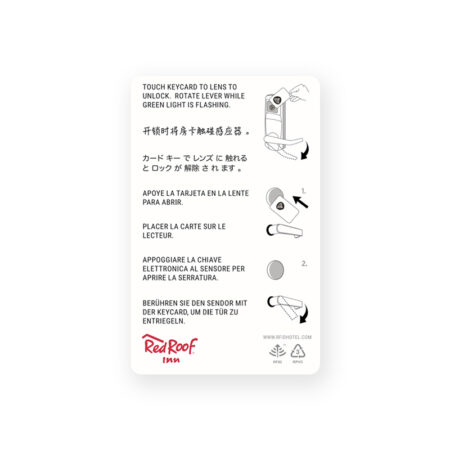
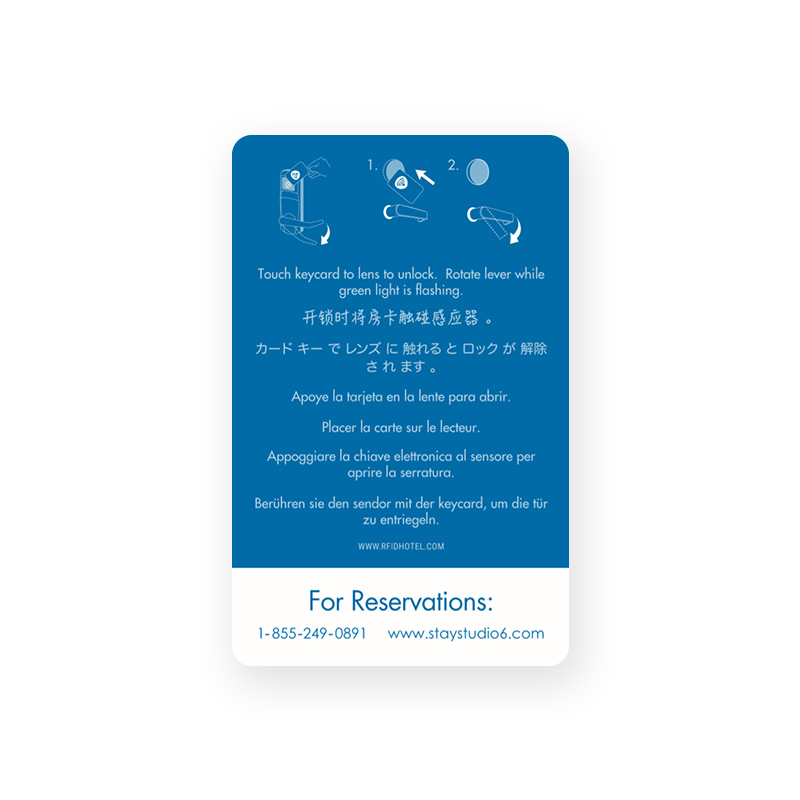
Interacting with these cards is intuitive: you simply tap or wave the card near a reader. The process feels futuristic yet straightforward. I've observed users, from employees in corporate offices to residents in apartment complexes, quickly adapting to this technology. The sensory feedback—a beep from the reader or a green light—provides immediate confirmation, enhancing the user experience. This ease of use, combined with robust security, makes electronic access control cards a preferred choice in modern access management.
## Applications and Case Studies
### Corporate Security
At the heart of most electronic access control cards are RFID or NFC chips. These are small, embedded circuits that communicate with readers via radio waves. RFID typically operates at various frequencies (like 125 kHz or 13.56 MHz), while NFC is a subset of RFID that works at 13.56 MHz and allows for two-way communication. My skill in troubleshooting these systems has taught me that the choice between RFID and NFC often depends on the required read range and functionality. For instance, NFC cards are excellent for applications where interaction with smartphones is needed, such as mobile access credentials.
### Personal Interaction and User Experience
Interacting with these cards is intuitive: you simply tap or wave the card near a reader. The process feels futuristic yet straightforward. I've observed users, from employees in corporate offices to residents in apartment complexes, quickly adapting to this technology. The sensory feedback—a beep from the reader or a green light—provides immediate confirmation, enhancing the user experience. This ease of use, combined with robust security, makes electronic access control cards a preferred choice in modern access management.
## Applications and Case Studies
### Corporate Security
 In corporate environments, electronic access control cards are indispensable. They not only grant access but can also track entry and exit times, integrating with time-attendance systems. A case study from a tech firm showed that after implementing RFID-bas
## Introduction to Electronic Access Control Cards
Electronic access control cards have revolutionized how we manage security and entry to buildings, rooms, and sensitive areas. These cards, which primarily utilize RFID (Radio-Frequency Identification) or NFC (Near Field Communication) technology, provide a seamless, secure, and efficient method for controlling access. In my experience working with security systems, I've seen firsthand how these cards transform mundane entry processes into sophisticated security protocols. The shift from traditional keys to electronic cards isn't just about convenience; it's about enhancing safety and operational control. I recall a project where a client switched from metal keys to RFID cards, and the immediate reduction in unauthorized entry attempts was remarkable. This personal observation underscores the practical value of these systems.
## How RFID and NFC Power Access Control
### Understanding the Technology
At the heart of most electronic access control cards are RFID or NFC chips. These are small, embedded circuits that communicate with readers via radio waves. RFID typically operates at various frequencies (like 125 kHz or 13.56 MHz), while NFC is a subset of RFID that works at 13.56 MHz and allows for two-way communication. My skill in troubleshooting these systems has taught me that the choice between RFID and NFC often depends on the required read range and functionality. For instance, NFC cards are excellent for applications where interaction with smartphones is needed, such as mobile access credentials.
### Personal Interaction and User Experience
Interacting with these cards is intuitive: you simply tap or wave the card near a reader. The process feels futuristic yet straightforward. I've observed users, from employees in corporate offices to residents in apartment complexes, quickly adapting to this technology. The sensory feedback—a beep from the reader or a green light—provides immediate confirmation, enhancing the user experience. This ease of use, combined with robust security, makes electronic access control cards a preferred choice in modern access management.
## Applications and Case Studies
### Corporate Security
In corporate environments, electronic access control cards are indispensable. They not only grant access but can also track entry and exit times, integrating with time-attendance systems. A case study from a tech firm showed that after implementing RFID-bas