
 ## The Technical Foundation: How Card ID Systems Work
### RFID Technology in Card ID Applications
Radio Frequency Identification (RFID) Card ID systems utilize electromagnetic fields to automatically identify and track tags attached to objects. These systems consist of three primary components: an RFID tag (embedded in the card), an RFID reader, and a backend database system.
**Passive RFID Card ID Tags** don't have their own power source and are activated by the electromagnetic field generated by the reader. When the card comes within range (typically 1-10 meters for UHF systems), the tag draws power from the reader's signal and transmits its unique identifier.
**Active RFID Card ID Tags** contain their own power source (battery) and can transmit signals over greater distances (up to 100 meters). These are typically used in specialized applications like vehicle identification or high-value asset tracking.
### NFC Technology in Card ID Applications
## The Technical Foundation: How Card ID Systems Work
### RFID Technology in Card ID Applications
Radio Frequency Identification (RFID) Card ID systems utilize electromagnetic fields to automatically identify and track tags attached to objects. These systems consist of three primary components: an RFID tag (embedded in the card), an RFID reader, and a backend database system.
**Passive RFID Card ID Tags** don't have their own power source and are activated by the electromagnetic field generated by the reader. When the card comes within range (typically 1-10 meters for UHF systems), the tag draws power from the reader's signal and transmits its unique identifier.
**Active RFID Card ID Tags** contain their own power source (battery) and can transmit signals over greater distances (up to 100 meters). These are typically used in specialized applications like vehicle identification or high-value asset tracking.
### NFC Technology in Card ID Applications

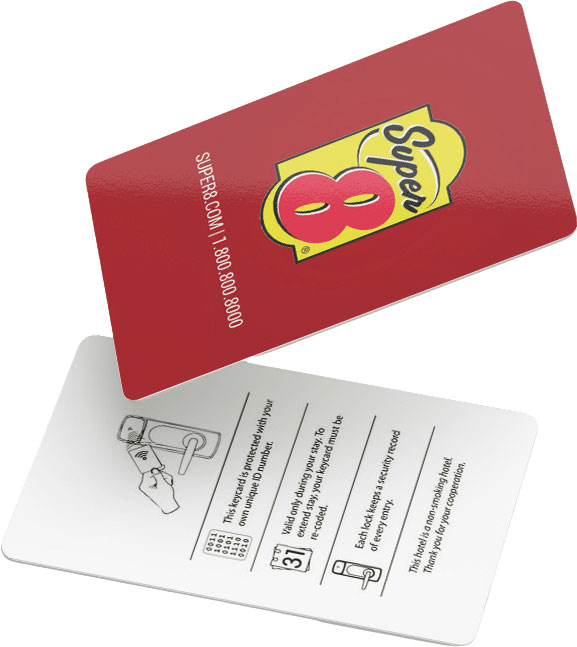
 Near Field Communication (NFC) is a subset of RFID technology that operates at 13.56 MHz and enables two-way communication between devices at very short ranges (typically less than 10 cm). NFC-based Card ID systems are increasingly popular for applications requiring higher security and data exchange capabilities.
What ma
Near Field Communication (NFC) is a subset of RFID technology that operates at 13.56 MHz and enables two-way communication between devices at very short ranges (typically less than 10 cm). NFC-based Card ID systems are increasingly popular for applications requiring higher security and data exchange capabilities.
What ma
125KHz vs 13.56MHz
Understanding the key differences between low frequency (125KHz) and high frequency (13.56MHz) RFID technologies and their specific applications.
Security Protocols
Learn about the advanced encryption and authentication methods that make RFID cards as secure as EMV chip technology for payment systems.
EU Compliance Standards
Discover how RFID solutions comply with European regulations including GDPR, ISO/IEC standards, and payment card industry requirements.
RFID Evolution Timeline
First Commercial Applications
Initial use of RFID technology for animal tracking and limited access control systems.
Mass Adoption Begins
RFID technology expands to electronic toll collection, inventory management, and basic security systems.
Contactless Revolution
Introduction of contactless payment cards, passport RFID chips, and widespread adoption in logistics.
Integration with Mobile & IoT
RFID technology integrates with smartphones, IoT devices, and advanced security systems with enhanced encryption.